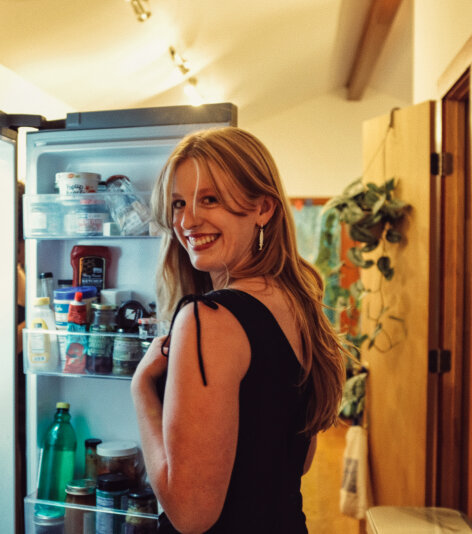
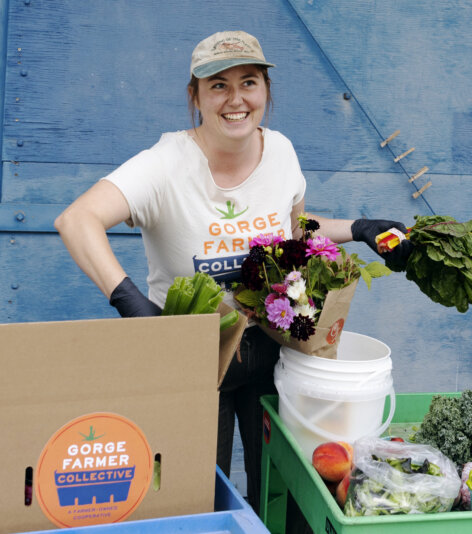
As a literature student at Emory University, I spent years reading and analyzing stories. If someone had asked me at the beginning of college what I intended to do with a degree in literature and a passion for food, I really wouldn’t have known what to say. Yet over time, I came to see storytelling as one of the most powerful tools we have for understanding complex issues and inspiring change. What I did not realize during college was that this medium would become central to the way I engage people with some of today’s most pressing issues, from sustainability and agriculture to the future of our food systems.
Finding Culinary Community in Copenhagen
I have always loved cooking (and eating!) but only started to consider food as a serious career path when I studied abroad in Copenhagen, Denmark, in 2024. I lived in the “Culinary Community,” an interest-based housing choice my program offered, under the guidance of a wonderful Danish chef named Maj. Once a week, Maj would host cooking demonstrations, take us to farms and farmers markets, and give us a little tastes of a city famous for its food. I did lots of extra-curricular tasting, of course. Denmark’s unique culture, people, and stories became legible through its incredible food.
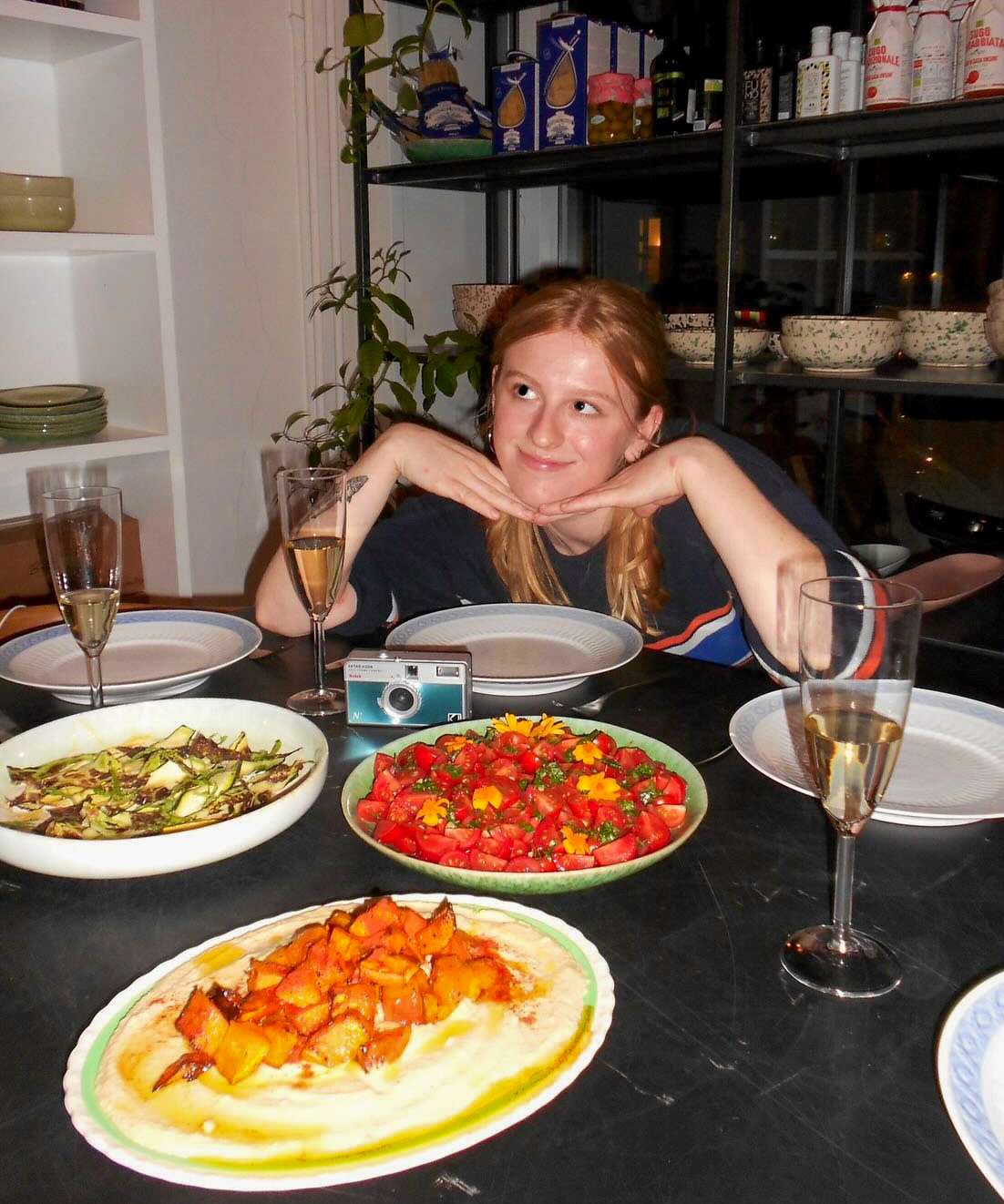
I remember thinking countless times that Maj’s role was my dream job — teaching the history and reality of a cuisine rooted in place. Maj was also the first to introduce me to the topic of sustainability in food, something that had hung in the periphery of my understanding of food systems until I saw it with my own eyes. For the first time, I was able to connect with my food so deeply I could pick it from the ground, at an urban co-operative where I knew the farmer’s name.
My semester in Copenhagen cemented my determination to work in food, and my insistence that sustainability was an inseparable companion to it. I started my university newspaper’s first-ever food column, writing about the culinary landscape of Atlanta. I taught a monthly cooking class for the Interdisciplinary Studies Department at Emory focused on building community through food. I took a course on sustainability and participated in planning Emory’s Sustainable Food Fair. And most importantly, I decided to write a senior thesis in literature that merged my love for writing with my love for food.
Learning the Stories Behind the Food
Sharing and cultivating stories had been the focus of my degree, but my trajectory was energized by a new-found direction of telling stories about food. I wrote my thesis on the genre of food writing and what it has to say about culture, history, and exchange. I found a way to combine literary storytelling with the universal language of food. While writing this thesis, I met Isabel Staton, our East Coast Fellow.
The “Story Behind the Food” presentation she gave to my class represented everything I had come to think of as important about food — taste, sustainability, and the individual stories and people that drive it. I may not have studied food or the environment at school, but I recognized in myself the ability to communicate it, just as Isabel had to me.
Eating is among the most routine practices of everyday life, which can make it easy to overlook. But pausing to uncover the layers of stories hidden behind even the simplest ingredient, that familiarity develops into something much more complex. Ingredients and dishes move across borders, tastes are learned, remembered, and forgotten. I feel an incredible sense of pride having the opportunity to tell others how, and to learn a bit more about my own plate in the process.